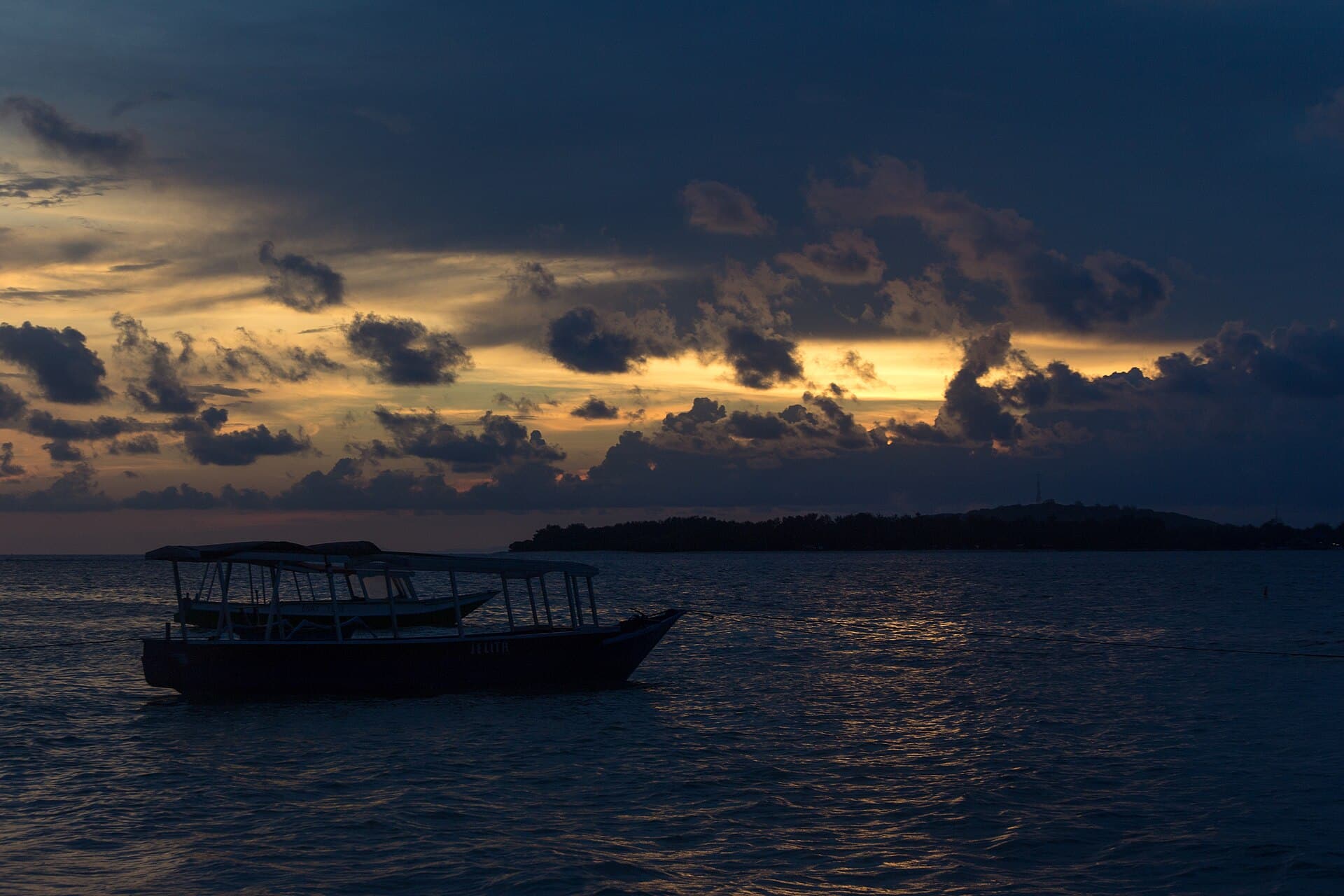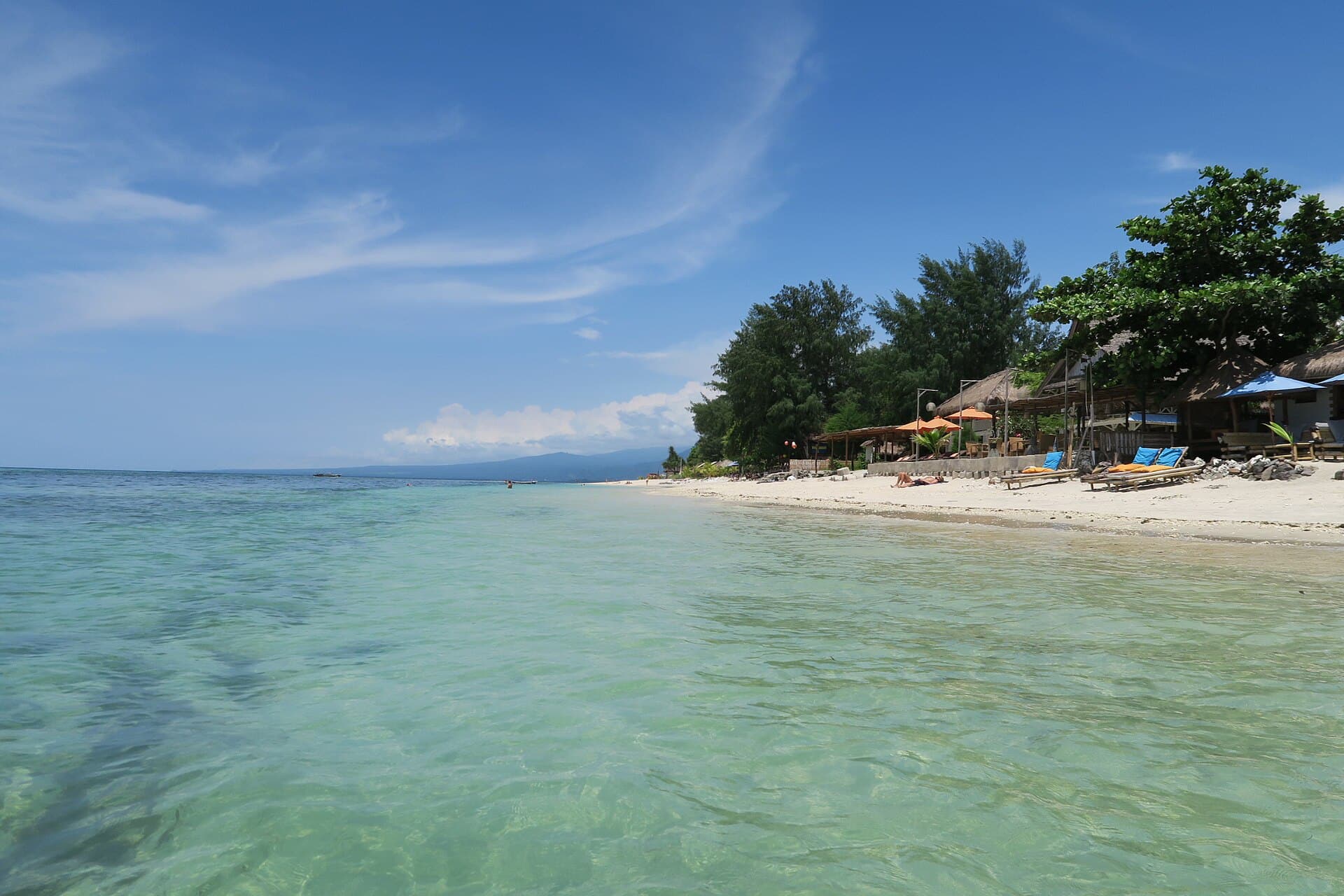
Gili Air is one of three small coral islands — together called the Gili Islands — off the north-west coast of Lombok in Indonesia’s West Nusa Tenggara province. It is the closest to Lombok, the second-largest of the three, and home to a Sasak Muslim village community that still lives from fishing and coconuts alongside tourism.
There are no cars or motorbikes, no big resorts and no high-rise; just sandy paths, bungalows, beach cafés and some of the easiest turtle snorkelling in Asia. This guide covers how to plan it well.
How long do you need?
- Two or three nights — enough for a snorkelling trip, the island loop and two sunsets.
- Four to six nights — the sweet spot: add Gili Meno, a Lombok day trip, a dive or freediving session and real downtime.
- A week or more — take a dive course, trek Rinjani or split your time between Gili Air and Lombok’s south coast.
Gili Air, Gili Meno or Gili Trawangan?
| Gili Air | Gili Meno | Gili Trawangan | |
|---|---|---|---|
| Vibe | Relaxed and sociable | Very quiet, romantic | Lively, party island |
| Size | Middle — ≈5 km loop | Smallest — ≈4 km loop | Largest — ≈7 km loop |
| Food scene | Excellent for its size | Limited | Widest choice |
| Nightlife | Low-key bars | Almost none | Bars, clubs, night market |
| Best for | Couples, divers, families, yoga | Honeymooners, total rest | Groups, nightlife, most choice |
| Distance to Lombok | Closest (≈15–20 min boat) | In the middle | Furthest |
 On Gili Air
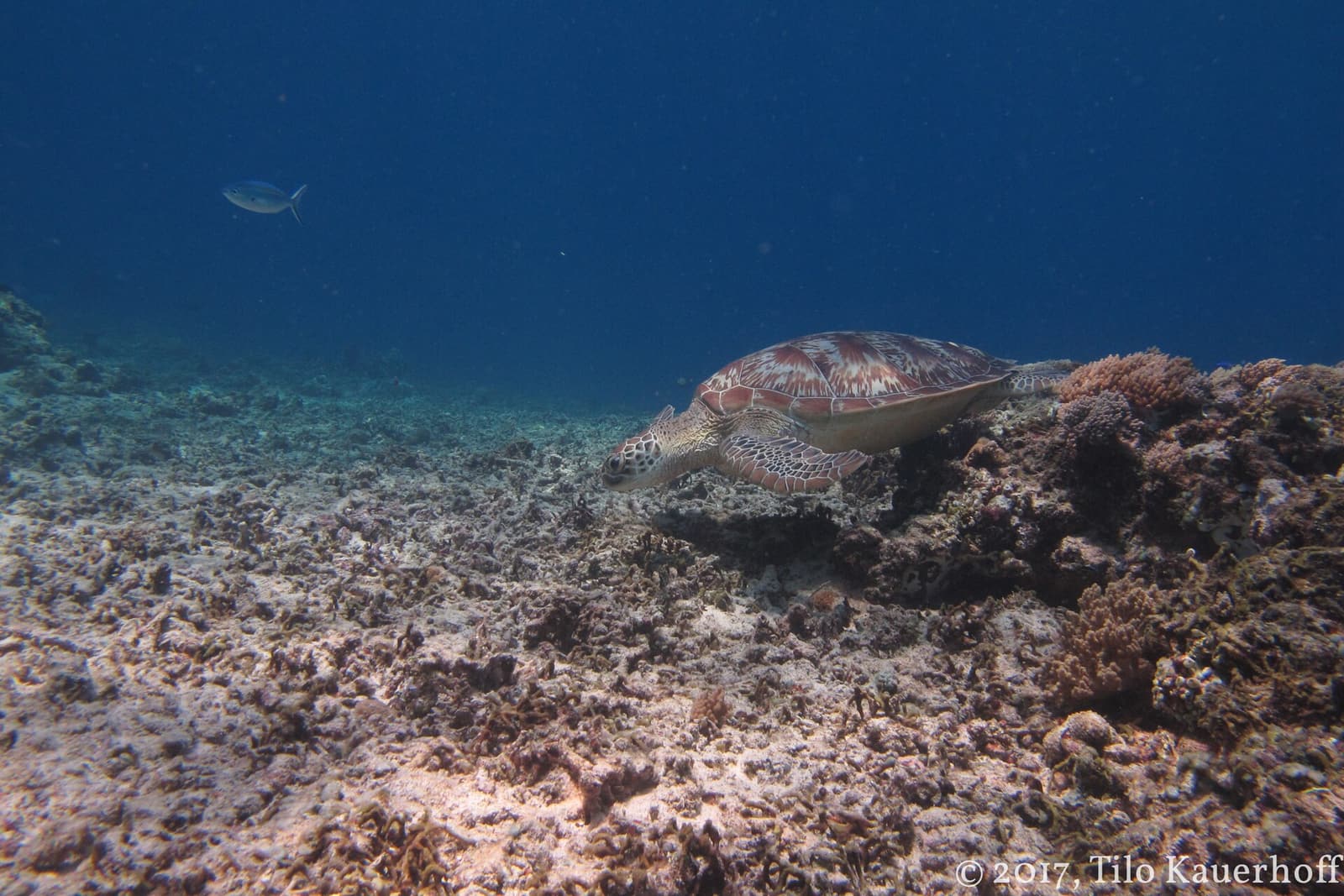
Gili Air’s Turtle Reefs
Green and hawksbill turtles, a few fin-kicks from the beach
The reefs that ring Gili Air are grazing grounds for green and hawksbill sea turtles, and you have a real chance of swimming with one on almost any snorkel. Go from the beach on the east and north-east coasts, or take a boat to the best spots around all three Gilis.
 On Gili Air
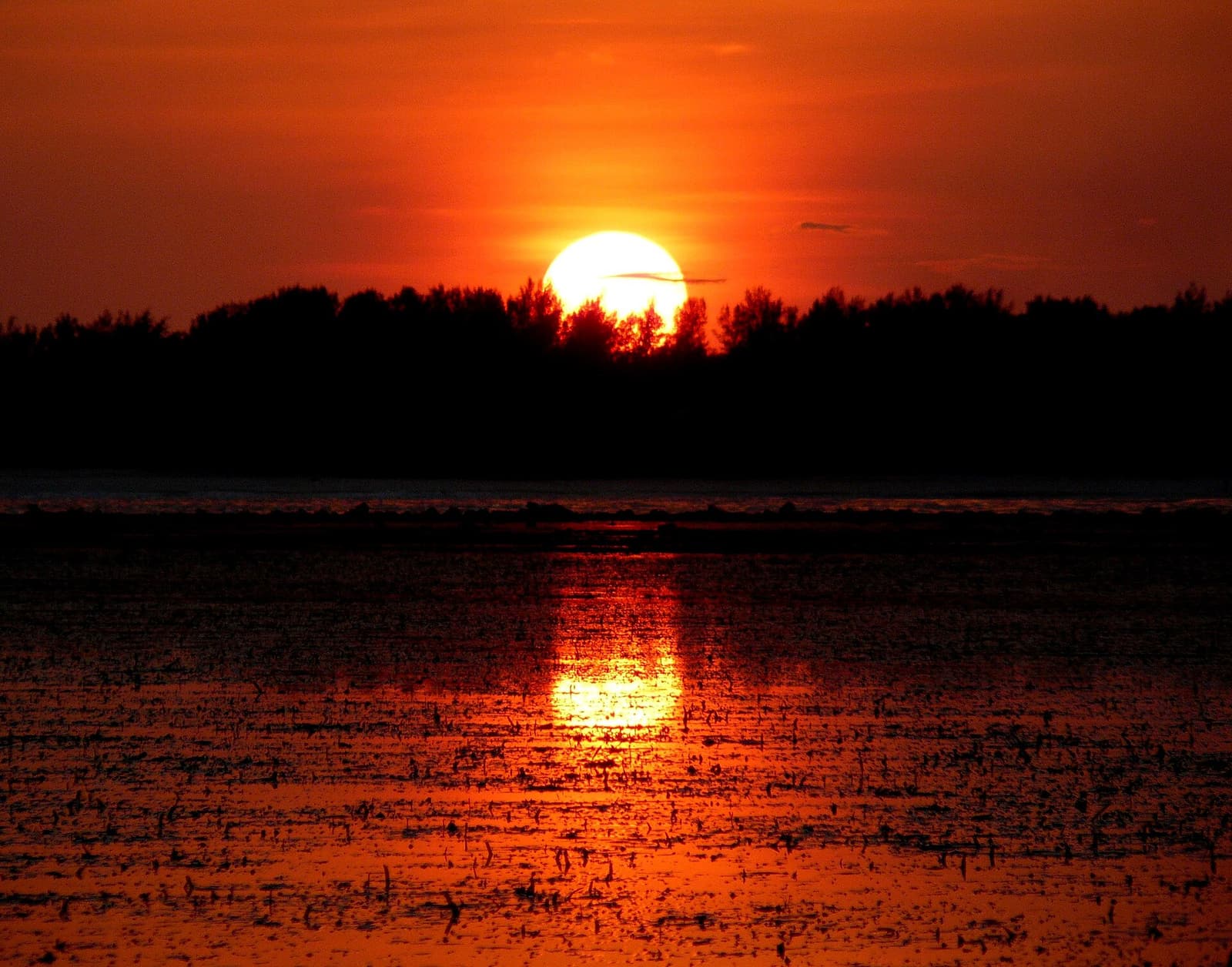
Gili Air Sunset Coast
Beanbags, swings and the sun dropping behind Bali
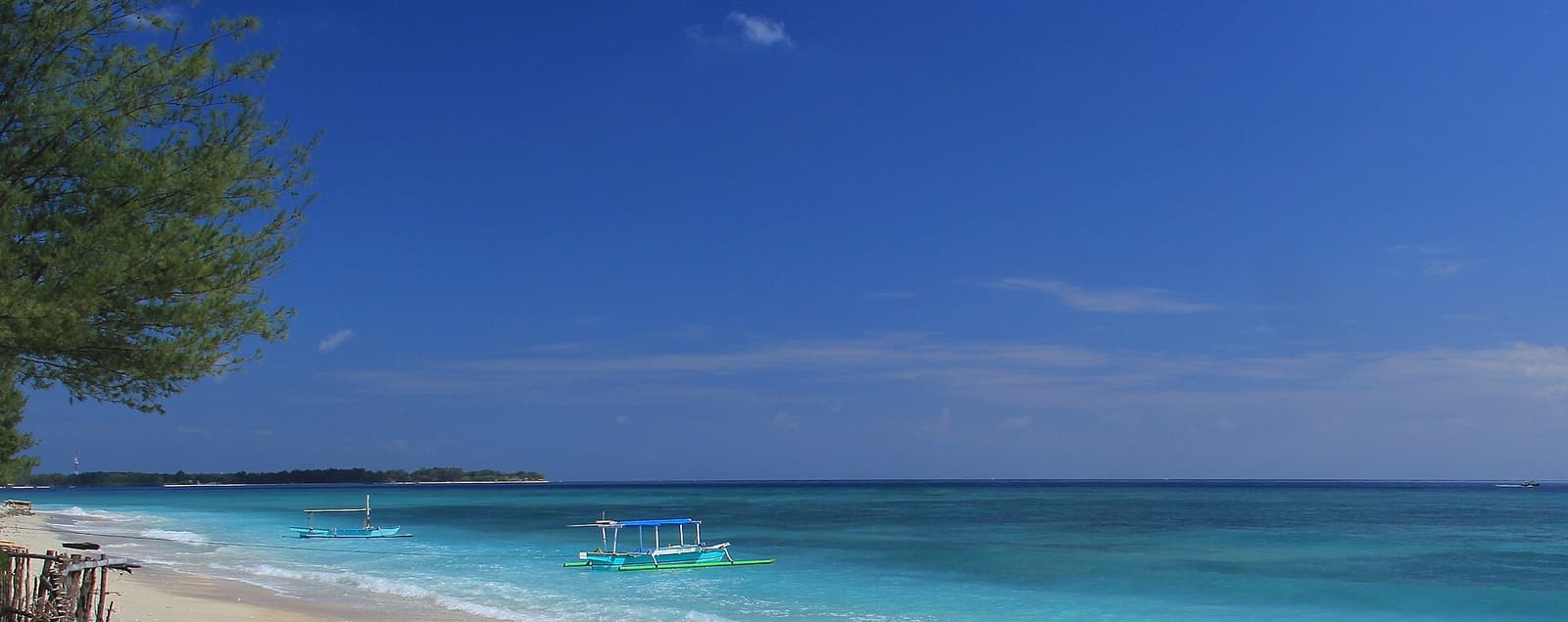
Gili Air’s west and north-west coast faces Bali across the Lombok Strait. Every evening, low-key bars put out beanbags and swings in the shallows, and on a clear day the sun sets beside the perfect cone of Mount Agung.
 On Gili Air
Gili Air Village & Coastal Path
Around the whole island on foot or by bike
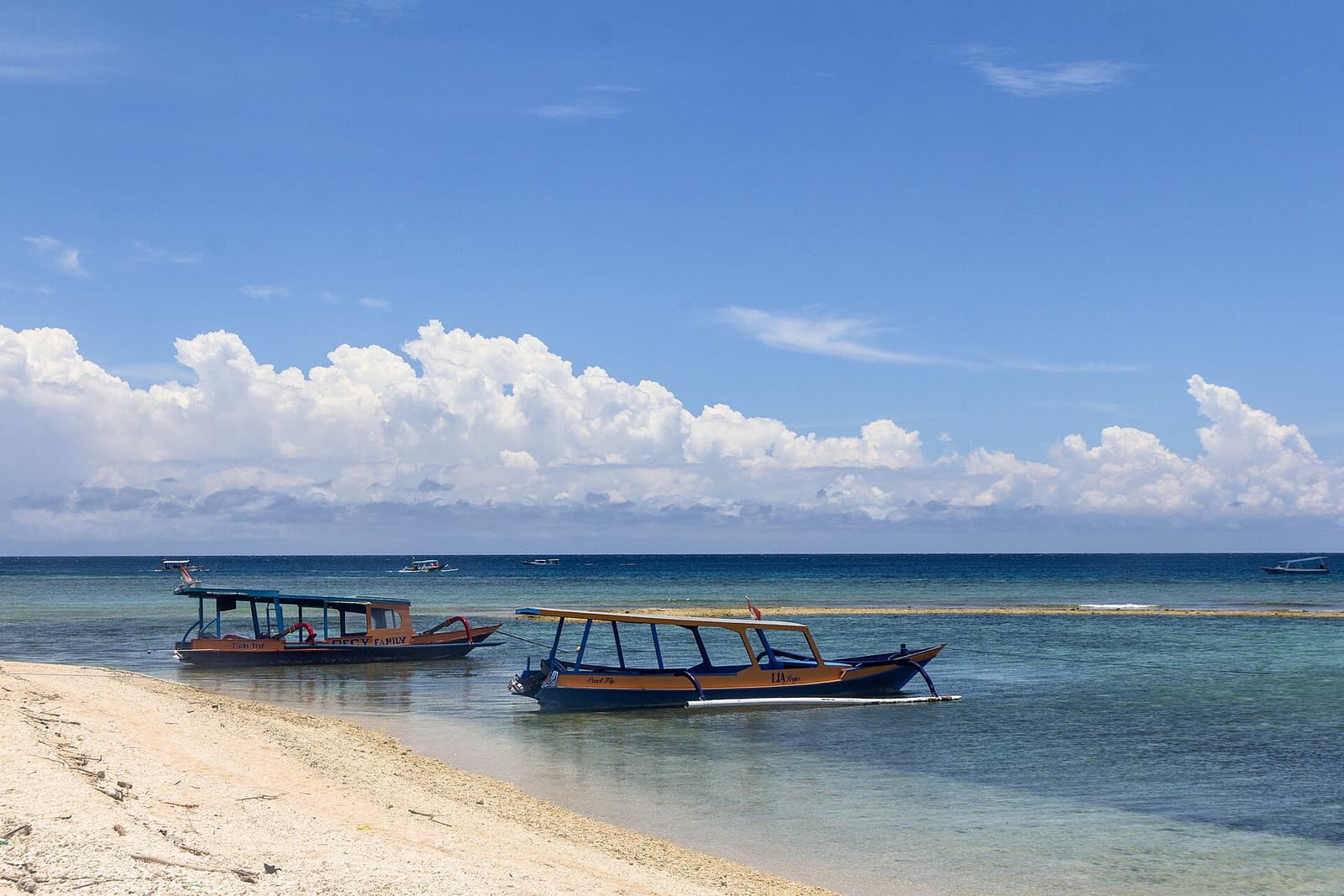
A sandy path runs right round Gili Air — roughly five kilometres, with no cars or motorbikes. Walk it in about two hours or cycle it in under one, past fishing boats, beach cafés, yoga shalas, coconut groves and the village at the island’s heart.
 Gili Meno & Gili Trawangan
Gili Meno
The smallest, quietest Gili — and the underwater statues
Gili Meno sits between Gili Air and Gili Trawangan and is the smallest and least developed of the three: long empty beaches, a salt lake in the middle, and the circle of life-size statues off its west coast that most snorkel trips stop at.
They are only minutes apart by boat, so you do not have to choose just one. See Gili Meno and Gili Trawangan for day-trip ideas.
Getting there and around
Fast boats run daily from Padang Bai, Serangan and Sanur on Bali; from Lombok, public boats and speedboats cross from Bangsal and Teluk Nara in 10–20 minutes. Our getting to Gili Air guide compares every route. On the island, you walk, cycle or take a cidomo — there is no motorised transport.
What to see and do
Snorkel with the turtles, cycle the island loop, watch sunrise over Rinjani and sunset over Bali, learn to dive or freedive, take a yoga or cooking class, and hop over to the other Gilis. On Lombok, the Senaru waterfalls and Mount Rinjani are the big draws. See all of them in our things to do guide.
Money, ATMs and prices
- Currency: Indonesian rupiah (IDR). Prices on the island are higher than on Lombok because almost everything is shipped in.
- ATMs: there are a few, mainly near the harbour and on the east coast, but they can run out of cash or go offline — especially at weekends and in high season. Bring enough cash from Bali or Lombok as a buffer.
- Cards: accepted at many hotels, dive centres and larger restaurants, often with a surcharge of around 3%. Small warungs, bike rental and cidomos are cash only.
- Island fees: a small visitor retribution fee has at times been collected for the Gilis at the harbour or via boat tickets; amounts change, so carry small notes.
Water, electricity and internet
- Drinking water: tap water is not drinkable. Many cafés and shops run refill stations — bring a reusable bottle and avoid single-use plastic, which the island has no easy way to dispose of.
- Showers: fresh water is precious on a small coral island. Budget places may have slightly salty or brackish showers; better hotels use desalinated or piped water.
- Electricity: 230 V with European-style two-pin plugs (types C and F). Power reaches the island from Lombok by undersea cable; short outages happen, and most hotels have generators.
- Internet: 4G coverage is generally good and most places have Wi-Fi. A local SIM or eSIM is cheap and easy to buy in Bali or Lombok.
Entry rules: visa and paperwork
- Visa: many nationalities can get a 30-day visa on arrival (extendable once), best bought online in advance as an e-VOA through the official Indonesian immigration website; some nationalities need a visa beforehand. Your passport should be valid for at least six months.
- Bali levy: if you arrive via Bali, foreign visitors pay Bali’s tourist levy (currently IDR 150,000), online or on arrival.
- Arrival declarations: Indonesia has moved customs and arrival forms online — check the official requirements shortly before you fly.
Rules change frequently; always check official government sources before you travel.
Safety and health
- Currents: the channels between the islands have strong currents. Snorkel close to shore, go with the current and never attempt to swim between islands.
- Sun and reef: the equatorial sun is intense. Wear a rash vest, use reef-safe sunscreen and bring reef shoes for low tide.
- Drugs: Indonesia’s drug laws are among the strictest in the world. The “mushroom shakes” sometimes offered in the Gilis are illegal — do not buy them.
- Medical care: Gili Air has small clinics for minor problems; anything serious means a boat to Lombok and a hospital in Mataram. Travel insurance that covers evacuation — and diving, if you dive — is essential.
- Mosquitoes: dengue is present in Indonesia; use repellent, especially at dawn and dusk.
- Earthquakes: Lombok is seismically active and the Gilis were hit by strong earthquakes in 2018. Note the tsunami evacuation signs and follow local instructions if the ground shakes.
Culture and etiquette
The islanders are Sasak Muslims and village life follows the rhythm of the mosque. Swimwear is fine on the beach, but cover your shoulders and knees when you walk through the village or into shops, and topless sunbathing is not acceptable. During Ramadan things are quieter and some places close during the day; eat and drink discreetly in public. Alcohol is widely available in tourist restaurants, but public drunkenness is frowned upon.
What to pack
- Mask and snorkel if you have your own (rental is easy, but your own fits better)
- Reef-safe sunscreen, a rash vest, hat and sunglasses
- Reef shoes or sandals with straps
- A reusable water bottle and a dry bag for boat trips
- A light cover-up for the village, plus a warm layer if you plan to climb Rinjani
- Mosquito repellent, a small torch for unlit paths, and cash in small notes
- Soft luggage or a backpack — you may carry it through shallow water and along sandy paths
Common mistakes
- Arriving without cash and relying on the island’s ATMs.
- Taking the last afternoon fast boat on the day of a flight from Bali.
- Buying boat tickets from touts on the road to Bangsal.
- Swimming out too far in the channel currents.
- Diving and flying (or trekking Rinjani) on the same day.